The Festive Circuit Breaker: Protecting Physical Equity Through End-Of-Year Corporate Fatigue
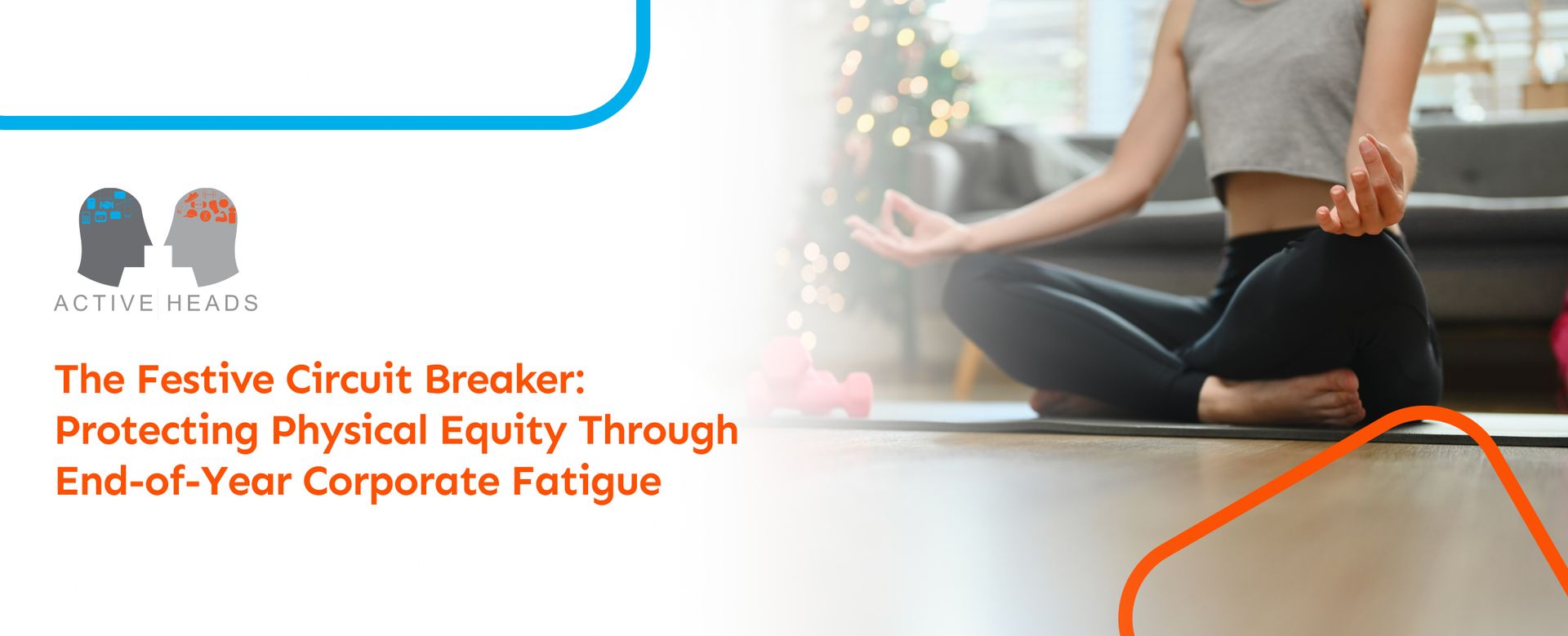
When December arrives in Melbourne, high-performing executives, business owners, and corporate leaders across Hobsons Bay face a unique, compound challenge.
Q4 performance targets reach their peak, financial year-end wrap-ups demand long hours, and evening calendars fill rapidly with corporate dinners, festive events, and family commitments. Simultaneously, the physical toll of an entire year of hard work catches up with your central nervous system. You feel depleted, your sleep quality drops, and decision fatigue reaches an all-time high.
Faced with this end-of-year crunch, many professionals default to an "all-or-nothing" physical mindset.
They either force themselves through punishing 6:00 AM high-intensity workouts on four hours of sleep—viewing exercise as a mindless punishment for festive indulgence—or they abandon their health routines entirely until January 2nd.
At
Active Heads, our university-qualified coaches view December through a strict biological lens. Both of these extremes destroy physical momentum.
Forcing an already exhausted body into maximum-effort workouts doesn't build fitness; it drives up stress cortisol, suppresses immune function, and leads directly to acute joint injuries. Conversely, stopping all movement for a month causes rapid neuromuscular deconditioning, joint stiffness, and a painful return to routine in the new year.
To navigate the festive season successfully, you don't need more willpower—you need a Festive Circuit Breaker.
The Physiology of End-of-Year Stress
Your body does not distinguish between psychological stress from a high-stakes board meeting, physical stress from heavy lifting, or environmental stress from late nights and festive dining. All of these inputs draw from the exact same finite biological resource: your central nervous system (CNS) recovery capacity.
When life stress spikes in December, attempting to maintain an aggressive, unyielding training program triggers three distinct physiological risks:
- Adrenal Overdrive and Cortisol Spikes: Chronic Q4 stress coupled with high-intensity exercise keeps cortisol chronically elevated. This impairs muscle protein synthesis, disrupts sleep architecture, and encourages abdominal fat storage.
- Biomechanical Power Leakage: Neuromuscular fatigue reduces your brain's ability to coordinate stabiliser muscles around your spine, hips, and shoulders. Lifting heavy weights or sprinting with a fatigued nervous system causes poor joint alignment and severe strain.
- The Guilt and Burnout Cycle: Setting unrealistic workout expectations during the busiest social month of the year creates unnecessary mental friction. Missing sessions leads to guilt, which often prompts complete disengagement from healthy habits.
The Autoregulated Solution: Pacing Over Punishment
Managing your body like a premium corporate asset means treating exercise as a restorative biological input, not an exhausting chore.
During high-stress periods like December, your training program must pivot from aggressive progressive overload to structural preservation and down-regulation:
- Shift to Baseline Resistance: You don't need to break personal records in December to maintain your hard-earned muscle mass. Research demonstrates that maintaining as little as one-third of your normal training volume—provided the movement quality and intent remain high—is sufficient to preserve skeletal muscle equity and strength for several weeks.
- Prioritise Central Nervous System Recovery: When fatigue is high, replace high-cardiovascular burnouts with controlled, multi-planar isometric holds, tempo resistance work, and joint decompression. This pumps oxygenated blood into cold tendons, lubricates joint capsules, and activates your parasympathetic ("rest and digest") nervous system.
- Embrace the Zero-Commute Strategy: The biggest obstacle to December fitness is logistical friction. Driving through peak-hour Melbourne traffic to reach a crowded commercial gym adds unnecessary stress to an already packed day. Utilising zero-commute, home-, or office-based movement protocols keeps your routine running on autopilot.
Practical Habits to Protect Your Momentum This December
To maintain your physical foundation and enter January refreshed rather than broken, implement these frictionless adjustments:
- Execute 20-Minute Movement Micro-Blocks: If a 60-minute workout feels impossible, scale the duration without abandoning the habit. A focused 20-minute session targeting core stability, glute activation, and thoracic mobility maintains neural momentum without causing exhaustion.
- Down-Regulate Before Sleep: Use deliberate down-regulation breathing (such as 5-minute extended exhalations) after evening social events to signal to your nervous system that it is safe to enter restorative deep sleep.
- Remove the Strategic Burden: Stop spending mental energy trying to adjust your own workouts around festive events. Partner with a university-qualified online coach who manages your strategy, adapts your program dynamically, and keeps you accountable.
Enter the New Year Ahead of the Curve
True physical longevity isn't about smashing yourself when your body is begging for recovery. It is built on the intelligence to adapt your volume, protect your joints, and manage your health equity through every season of life and career. By deploying a Festive Circuit Breaker this December, you eliminate burnout, stay pain-free, and start the new year with momentum already on your side.
Ready to Autopilot Your Health Through the Festive Season?
Our bespoke mobile and online personal training services deliver university-qualified, zero-commute coaching engineered around your individual biomechanics, real-time stress, and demanding corporate calendar.
Apply today!